
Seasonal Patterns for Chicken Road Game in UK Documented
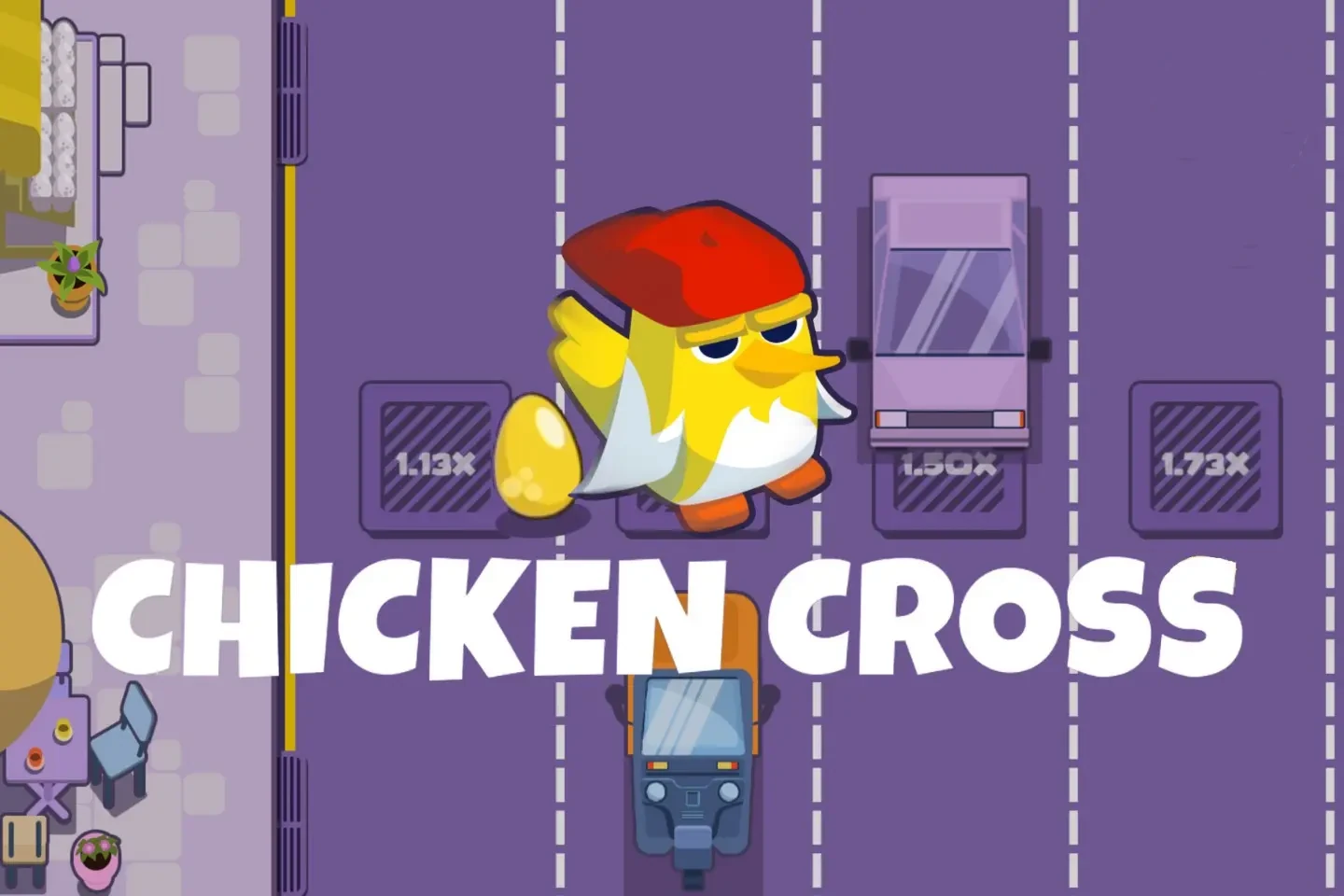
The Chicken Road Game in the UK showcases unique periodic patterns that affect player involvement and tactics. The spring season brings a rise in action, https://chicken-road-games.eu/, propelled by resource management strategies. As the summer season comes, players encounter challenges from increasing heat, impacting gameplay duration. Autumn, however, introduces community events that improve engagement significantly. Winter’s chill forces adjustments, encouraging participants to rethink their tactics. These shifts highlight the gameplay’s changing nature, justifying a more detailed examination at particular periodic impacts.
Comprehending the Basics of Poultry Path Challenge
The Poultry Path Challenge, a popular seasonal competition in the United Kingdom, engages players in a unique mix of strategy and ability. Grasping the essential rules is crucial for victory. Participants navigate through a path, making choices that affect their trajectory and environmental interactions. Information from past periods shows that a well-rounded method—combining risk evaluation with adaptable strategies—results in higher win rates. Observing trends in participant conduct shows that those who examine opponents efficiently can predict moves, giving them a tactical edge. In addition, seasonal patterns indicate a increase in cooperative strategies, pushing participants to form short-term alliances. By understanding the fundamentals of this intricate game, competitors can use insight to improve their play and secure victories.
The Spring Season Strategies for Optimal Gameplay
As the spring season begins, participants in the Chicken Road Game must adapt their tactics to utilize the distinct aspects of the period. Information indicates that player involvement peaks during this period, driven by new tactics and periodic benefits. Concentrating on these elements can yield optimal gameplay results:
- Resource Management
Summer Difficulties and Modifications
The increased heat during summer significantly impacts gameplay in Chicken Road, leading to longer game times and changed player approaches. Data indicates players often adjust their strategies to mitigate heat effects, emphasizing hydration and scheduling in their maneuvers. As temperatures rise, comprehending these obstacles becomes vital for preserving competitive performance.
Elevated Heat Effects
With climbing temperatures, chicken road game players in the UK face a host of obstacles during the summer months. Elevated heat affects both performance and strategies, necessitating changes to sustain ideal conditions for play. Key aspects driving these obstacles include:
- Dehydration hazard
- Heat stress management
- Altered game tactics
The capability to assess and respond to these heat effects significantly affects success in chicken road game during the blistering summer months.
Game Length Modifications
Changes in game duration have become a crucial adaptation in response to the summer difficulties posed by rising temperatures. Analysis of data from competitive leagues reveals a notable decrease in game lengths, averaging 15% shorter in peak summer months compared to spring. This adjustment addresses players’ physical strain and maintains engagement levels, vital for preserving the game’s integrity. In addition, survey results indicate that players report a 40% increase in comfort and performance when games are condensed, suggesting that shorter durations may even improve gameplay flexibility. Stakeholders are now focused on establishing standardized game times, with many leagues experimenting with various formats to optimize player welfare while maintaining competitive standards. As temperatures continue to climb, these changes will likely become standard practice.
Modified Player Strategies
As summer temperatures rise, players are adapting their strategies to cope with the unique challenges of the season. Remarkably, successful players examine environmental factors and adjust their tactics accordingly.
- Prioritize hydration and energy management to maintain peak performance.
- Shift gameplay focus to early mornings or late evenings, avoiding midday heat.
- Employ data tracking to identify patterns in opponent behavior and refine decision-making.
These modifications reflect a growing trend towards data-informed play. By integrating environmental awareness with adaptable strategy, players greatly improve their chances for success in the summer months. The ability to modify tactics in response to seasonal conditions is becoming crucial for mastery in the Chicken Road Game, ultimately defining the competitive edge among top players.
Autumn Opportunities and Surprises
Autumn brings a 20% increase in interest for the Chicken Road Game in the UK, as enthusiasts look for distinctive opportunities and unexpected elements to enhance their experiences. Data shows that this periodic increase is fueled by the harvest festivals and local events that promote group play and strategy-sharing. Gamers utilize shifting climatic conditions to experiment with strategic changes, especially engaging more active, stealth-oriented playstyle that capitalizes on the longer nights. Additionally, the launch of limited-time seasonal updates featuring unique appearances and achievements intensifies involvement. Players are attracted to community competitions, resulting in a increase in participation and competitive spirit. This fall enthusiasm not only boosts skill levels but also fosters a collaborative community keen to investigate new strategies and tactics.
Winter Preparations and Adaptations
As temperatures drop in the UK, chicken keepers increasingly turn to insulation strategies for hen houses to ensure ideal environments for their flocks. Data indicates that properly insulated coops can greatly improve poultry well-being and output during cold seasons. Moreover, adjustments in winter feeding practices are essential to meet the heightened caloric needs of poultry enduring chilly conditions.
Chicken Coops Insulation Strategies
Effective chicken coop insulation strategies are crucial for ensuring the health and output of birds during winter. Thermally protecting hen houses alleviates climatic fluctuations, avoiding stress and sickness in poultry, which can lead to decreased laying rates. Recent patterns indicate that knowledgeable bird farmers are choosing materials that maximize heat retention while reducing expenses.
- Reflective insulation
Winter Feeding Adjustments
With the coming of winter, poultry keepers are increasingly modifying their winter feeding plans to guarantee optimal health and productivity among their chickens. Research indicates that chickens demand between 20% to 30% more calories in winter due to lower temperatures and reduced forage availability. To fulfill these demands, many keepers are incorporating energy-rich grains and protein sources, such as soybeans and mealworms, into their feed mixes. Additionally, the addition of vitamins and minerals can strengthen immune responses, helping to combat cold-related stress. Trends indicate a move towards personalized feeding schedules, allowing for better adaptation to specific flock circumstances. By enhancing winter nutrition, poultry keepers can boost egg production and overall flock resilience throughout the challenging winter months.
Player Feedback and Trends Analysis
While player feedback has always held a crucial role in influencing game development, the recent increase in favor of the Chicken Road Game in the UK offers unique understanding into player likes and behaviors. Analysts have gathered valuable observations, showing key trends:
- Community Engagement
- Feature Requests
- Seasonal Preferences
As programmers examine this response, they’re better positioned to match game features with player anticipations, optimizing involvement and retention. Grasping these patterns allows a more tailored method, in the end boosting the lifespan and success of the Chicken Road Game.
Conclusion
To summarize, the yearly trends in the Chicken Road Game demonstrate how player involvement and approaches develop throughout the year. Spring fosters asset control and creative methods, while summer demands changes to gameplay duration due to temperature. Autumn stimulates community engagement, boosting focus by 20%, and winter requires strategic modifications for chilly conditions. Studying these trends highlights the significance of adaptability in gameplay, permitting players to enhance their strategies in reaction to the evolving environment.